Guides
Website Redesign: 9 Signs It’s Time, and How to Do It Without Losing Rankings
4 min read Element16 Media
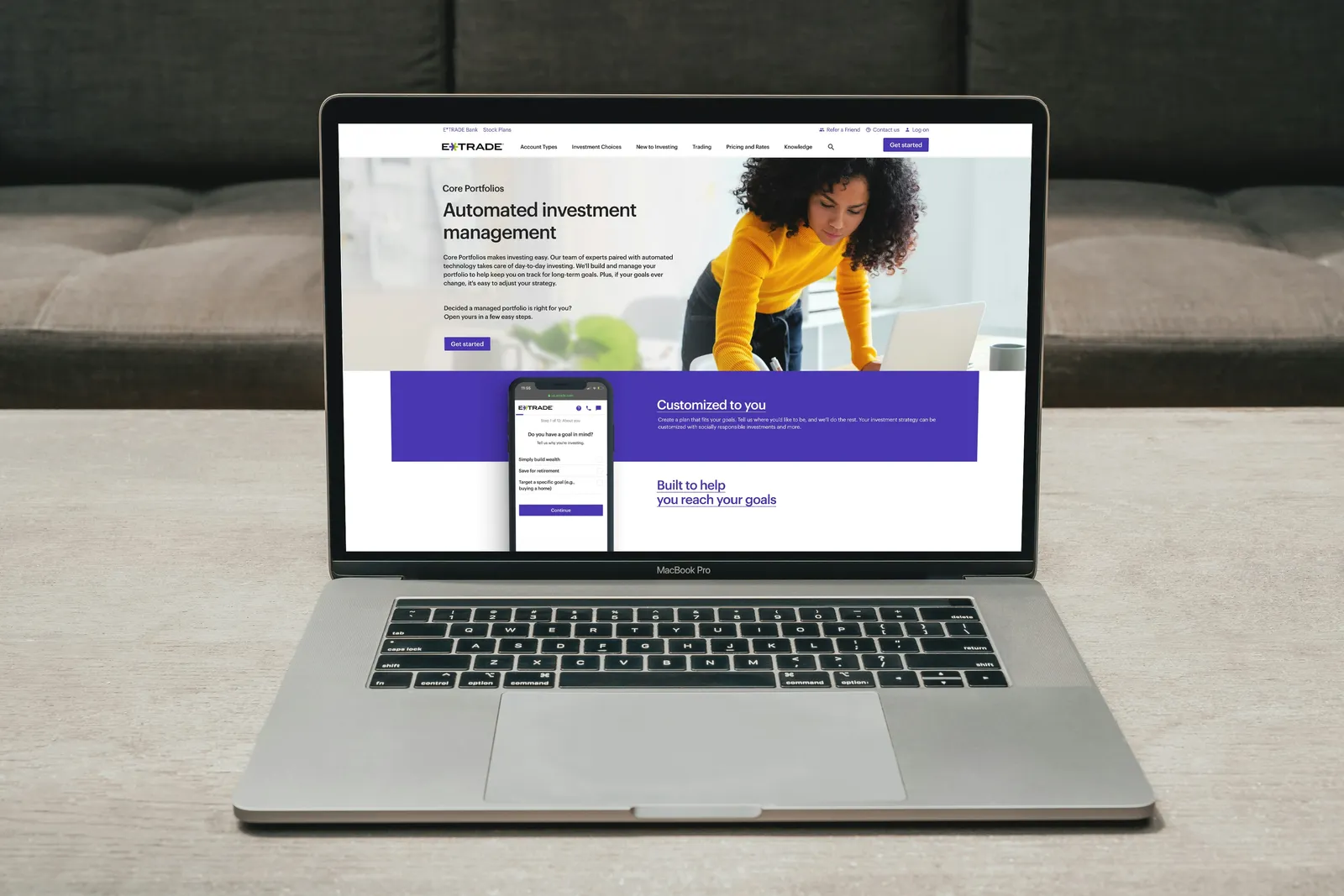
A website redesign is worth doing when your site no longer helps you win customers: it’s slow, looks dated on mobile, is hard to update or isn’t ranking on Google. Done well, a website redesign brings more enquiries, better rankings and a site your team actually enjoys using. Done badly, it can wipe out years of search traffic overnight.
We redesign websites for businesses across the UK, from restaurants to national suppliers. Here’s what we’ve learned about getting it right.
9 signs you need a website redesign
- It’s slow. If pages take more than three seconds to load, many visitors leave.
- It’s awkward on a phone. Most visits now come from mobile.
- It looks dated. Customers judge credibility in seconds.
- Enquiries have dropped. Traffic arrives but nobody gets in touch.
- You can’t update it easily. Every change needs a developer.
- Your brand has moved on. New logo, services or audience.
- It’s not secure. Outdated plugins and software are a security risk.
- It’s not ranking. Competitors appear above you on Google and in AI answers.
- It doesn’t integrate. Bookings, payments or your CRM live somewhere else.
If three or more apply, it’s probably time to act.
Website redesign or refresh?
Not every site needs starting from scratch. A refresh updates the look, copy and images on your existing platform. A full website redesign rethinks the structure, user journeys and often the technology. If the foundations are sound and you mainly need a new look, a refresh can be quicker and cheaper.
Our website redesign process, step by step
1. Audit what you have
Review analytics, rankings and conversions. Find the pages that bring in traffic and enquiries, because these must be protected.
2. Set clear goals
More bookings? Better rankings? Faster load times? Measurable goals keep decisions focused. Write them down and agree them with everyone involved before any design work begins.
3. Plan the structure
Map every page, decide what stays, merges or goes, and plan the journey from landing page to enquiry.
4. Design and build
Create designs that reflect your brand, then build a fast, accessible, mobile-first site.
5. Protect your SEO
Keep URLs where you can. Where they change, set up 301 redirects from every old page to its closest new equivalent. Carry over page titles, meta descriptions and valuable content.
6. Test and launch
Check every form, link, redirect and device. Launch at a quiet time, then submit your new sitemap to Google Search Console.
7. Monitor and improve
Watch rankings, traffic and conversions closely for the first three months and fix any issues quickly.
How to avoid losing rankings in a website redesign
The biggest risk in any website redesign is losing search visibility. The usual causes are missing redirects, deleted content and changed page titles. Keep a spreadsheet mapping every old URL to its new one, keep your best-performing content, and test redirects before and after launch. Answer customer questions clearly on each page too, so your new site is ready for AI search tools as well as Google. Our SEO and AEO service can handle this for you.
What should your new website include?
Beyond a fresh look, a modern site should be built for speed and conversion from day one. Prioritise:
- Mobile-first layouts with large, easy-to-tap buttons.
- Clear calls to action on every page, such as booking, buying or getting a quote.
- Fast performance: good hosting, compressed images and minimal plugins.
- Accessibility, so people using screen readers or keyboard navigation can use the site.
- Structured data that helps Google and AI tools understand your business.
- Analytics and conversion tracking set up before launch, so you can prove the results.
- An easy content editor, so your team can keep pages fresh without waiting on a developer.
Getting these right is what turns a new look into a site that brings in more business.
How much does a website redesign cost?
For most small businesses, a website redesign costs between £2,000 and £8,000, depending on size, functionality and content. Online shops and bespoke systems cost more. Factor in hosting and maintenance of roughly £30–£150 a month (£360–£1,800 a year). See our website design cost UK guide for a fuller breakdown.
Frequently asked questions
How often should you redesign a website?
Most businesses benefit from a redesign every three to five years, with regular content updates in between.
How long does a website redesign take?
A typical small-business project takes six to ten weeks, from audit to launch.
Will a website redesign affect my SEO?
It can, positively or negatively. With proper redirects and content planning, a website redesign usually improves rankings over time.
Ready for a website redesign?
Book a free discovery call with Element16 Media. We’ll review your current site and give you an honest view on whether you need a quick refresh or a full rebuild, and what it would take to get there.